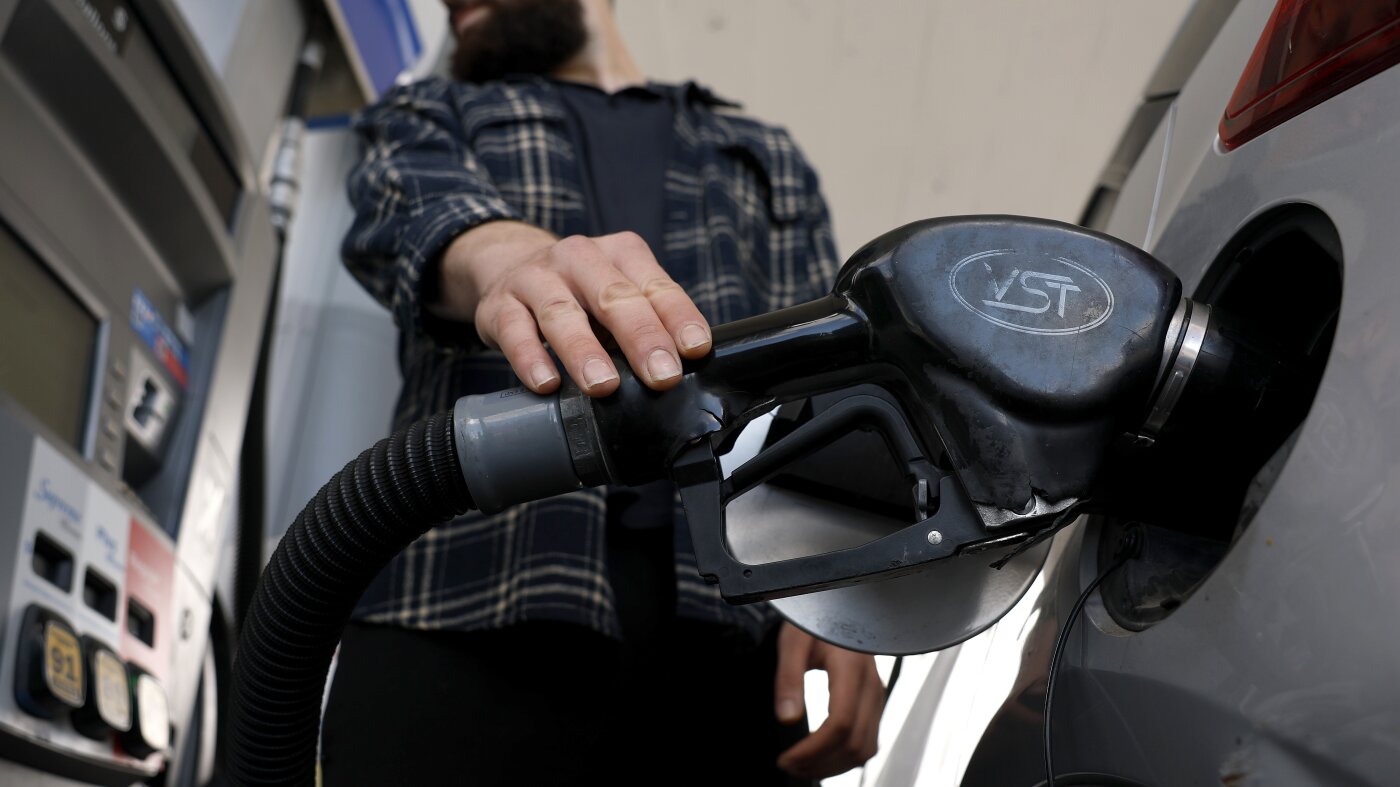
indicator analysis Users gain access to financial insights covering earnings releases, market volatility, and sector rotation trends across global equities. With the national average for a gallon of gasoline reaching $4.55 ahead of one of the busiest travel weekends of the year, consumers are exploring ways to reduce fuel costs. Options range from driving slower to considering electric vehicles or avoiding driving altogether.
Live News
indicator analysis Some traders rely on alerts to track key thresholds, allowing them to react promptly without monitoring every minute of the trading day. This approach balances convenience with responsiveness in fast-moving markets. Analytical platforms increasingly offer customization options. Investors can filter data, set alerts, and create dashboards that align with their strategy and risk appetite. The national average for a gallon of gasoline stands at $4.55, coinciding with a period when many Americans are planning travel for a major holiday weekend. This price level has prompted widespread discussion of fuel-saving strategies. Among the most commonly cited approaches are adjusting driving habits—such as reducing speed, avoiding rapid acceleration, and using cruise control—which could improve fuel efficiency. Additionally, maintaining proper tire pressure and reducing vehicle weight by removing unnecessary items may also help. For longer-term savings, the shift toward electric vehicles (EVs) has gained attention as high gas prices make the cost-per-mile of EVs relatively more attractive. However, the upfront purchase price of EVs remains a barrier for many consumers. Alternatives such as carpooling, public transit, or simply consolidating errands into fewer trips are also being promoted as immediate ways to cut fuel expenses. The current price environment may influence consumer behavior, with some opting to delay non-essential trips or choose destinations closer to home.
Rising Gas Prices Prompt Drivers to Seek Fuel-Saving Strategies: Electric Vehicles, Slower Speeds, and Alternatives Access to multiple timeframes improves understanding of market dynamics. Observing intraday trends alongside weekly or monthly patterns helps contextualize movements.Combining technical and fundamental analysis allows for a more holistic view. Market patterns and underlying financials both contribute to informed decisions.Rising Gas Prices Prompt Drivers to Seek Fuel-Saving Strategies: Electric Vehicles, Slower Speeds, and Alternatives Combining global perspectives with local insights provides a more comprehensive understanding. Monitoring developments in multiple regions helps investors anticipate cross-market impacts and potential opportunities.Analytical dashboards are most effective when personalized. Investors who tailor their tools to their strategy can avoid irrelevant noise and focus on actionable insights.
Key Highlights
indicator analysis Tracking global futures alongside local equities offers insight into broader market sentiment. Futures often react faster to macroeconomic developments, providing early signals for equity investors. Many investors adopt a risk-adjusted approach to trading, weighing potential returns against the likelihood of loss. Understanding volatility, beta, and historical performance helps them optimize strategies while maintaining portfolio stability under different market conditions. Key takeaways from the current situation highlight the impact of elevated gas prices on household budgets and travel plans. The $4.55 national average represents a significant cost for many families, particularly those with longer commutes or lower incomes. This could lead to reduced discretionary spending in other areas, such as dining out or entertainment, as more income is allocated to fuel. The pricing environment may also accelerate interest in fuel-efficient vehicles, including hybrids and electric models. Automakers and dealerships could see shifts in consumer inquiries and sales patterns. Additionally, the travel industry might experience changes, with shorter road trips or alternative transportation modes gaining preference. However, it remains uncertain how long prices will stay at these levels, as factors such as global oil supply and refinery capacity continue to influence the market.
Rising Gas Prices Prompt Drivers to Seek Fuel-Saving Strategies: Electric Vehicles, Slower Speeds, and Alternatives Monitoring macroeconomic indicators alongside asset performance is essential. Interest rates, employment data, and GDP growth often influence investor sentiment and sector-specific trends.While algorithms and AI tools are increasingly prevalent, human oversight remains essential. Automated models may fail to capture subtle nuances in sentiment, policy shifts, or unexpected events. Integrating data-driven insights with experienced judgment produces more reliable outcomes.Rising Gas Prices Prompt Drivers to Seek Fuel-Saving Strategies: Electric Vehicles, Slower Speeds, and Alternatives Data-driven decision-making does not replace judgment. Experienced traders interpret numbers in context to reduce errors.Some investors track currency movements alongside equities. Exchange rate fluctuations can influence international investments.
Expert Insights
indicator analysis Cross-asset analysis provides insight into how shifts in one market can influence another. For instance, changes in oil prices may affect energy stocks, while currency fluctuations can impact multinational companies. Recognizing these interdependencies enhances strategic planning. Access to reliable, continuous market data is becoming a standard among active investors. It allows them to respond promptly to sudden shifts, whether in stock prices, energy markets, or agricultural commodities. The combination of speed and context often distinguishes successful traders from the rest. From an investment perspective, sustained high gas prices could have mixed implications across sectors. Energy companies, particularly those involved in oil production and refining, may potentially benefit from higher margins. Conversely, retailers and travel-related businesses might face headwinds if consumers cut back on spending or alter travel habits. The transition to electric vehicles could receive a boost, as rising fuel costs make the total cost of ownership of EVs more competitive. However, potential challenges such as charging infrastructure and battery supply chain constraints could temper the pace of adoption. Investors may want to monitor these trends cautiously, as price movements in crude oil and consumer response remain uncertain. Ultimately, the current gas price environment underscores the broader interplay between energy costs, consumer behavior, and economic activity. Disclaimer: This analysis is for informational purposes only and does not constitute investment advice.
Rising Gas Prices Prompt Drivers to Seek Fuel-Saving Strategies: Electric Vehicles, Slower Speeds, and Alternatives Real-time access to global market trends enhances situational awareness. Traders can better understand the impact of external factors on local markets.Predictive tools provide guidance rather than instructions. Investors adjust recommendations based on their own strategy.Rising Gas Prices Prompt Drivers to Seek Fuel-Saving Strategies: Electric Vehicles, Slower Speeds, and Alternatives While algorithms and AI tools are increasingly prevalent, human oversight remains essential. Automated models may fail to capture subtle nuances in sentiment, policy shifts, or unexpected events. Integrating data-driven insights with experienced judgment produces more reliable outcomes.Evaluating volatility indices alongside price movements enhances risk awareness. Spikes in implied volatility often precede market corrections, while declining volatility may indicate stabilization, guiding allocation and hedging decisions.