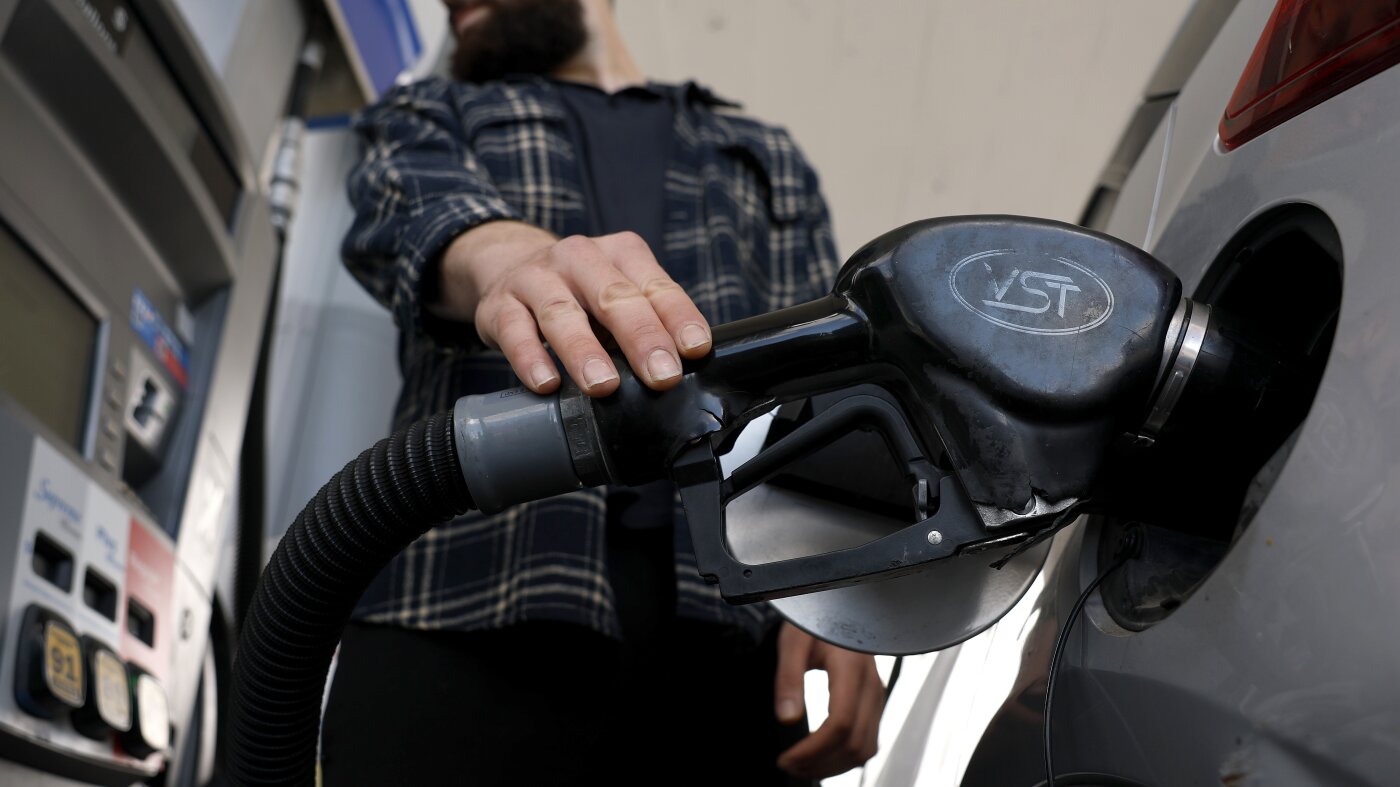
Gas Price Saving Tips - liquidity conditions, volatility index, and risk trends. The national average for regular gasoline has reached $4.55 per gallon as the U.S. enters one of its busiest travel weekends of the year. Drivers are weighing options such as reducing speed, switching to electric vehicles, or avoiding driving altogether to cut fuel costs.
Live News
Gas Price Saving Tips - liquidity conditions, volatility index, and risk trends. Cross-market monitoring allows investors to see potential ripple effects. Commodity price swings, for example, may influence industrial or energy equities. According to recent data, the national average price for a gallon of gasoline stands at $4.55, a level that comes as millions of Americans prepare for one of the year’s highest-traffic travel weekends. This price point places significant pressure on household budgets, particularly for those planning road trips or holiday visits. The source article discusses several approaches consumers may consider to reduce their fuel expenditure. Among the suggested strategies are driving slower—which typically improves fuel efficiency—and considering the switch to electric vehicles (EVs) as a long-term cost-saving measure. Another option mentioned is reducing or eliminating driving altogether by using alternative transportation or staying home. These recommendations reflect a broader trend of consumers seeking immediate ways to offset rising fuel costs. The reported average of $4.55 per gallon represents a notable increase from prior periods, though specific historical comparisons were not provided in the source. The article does not specify any government policy responses or industry forecasts, instead focusing on individual driver behaviors that could lead to savings.
Soaring Gas Prices at $4.55 Per Gallon: Strategies for Cost Savings Amid Holiday Travel Combining qualitative news with quantitative metrics often improves overall decision quality. Market sentiment, regulatory changes, and global events all influence outcomes.Scenario planning based on historical trends helps investors anticipate potential outcomes. They can prepare contingency plans for varying market conditions.Soaring Gas Prices at $4.55 Per Gallon: Strategies for Cost Savings Amid Holiday Travel The use of predictive models has become common in trading strategies. While they are not foolproof, combining statistical forecasts with real-time data often improves decision-making accuracy.Investors often balance quantitative and qualitative inputs to form a complete view. While numbers reveal measurable trends, understanding the narrative behind the market helps anticipate behavior driven by sentiment or expectations.
Key Highlights
Gas Price Saving Tips - liquidity conditions, volatility index, and risk trends. Cross-asset analysis helps identify hidden opportunities. Traders can capitalize on relationships between commodities, equities, and currencies. Key takeaways from this situation include the potential shift in consumer behavior when gasoline prices remain elevated. The $4.55 national average may encourage more drivers to adopt fuel-efficient driving habits, such as maintaining steady speeds and proper tire inflation, or to consider alternative vehicles. The timing of the high prices—coinciding with a peak travel weekend—could amplify the financial strain on households, potentially affecting spending in other areas. The options highlighted—driving slower, going electric, or not driving—represent a spectrum of immediate to longer-term solutions. While driving slower costs nothing and can yield immediate savings at the pump, transitioning to an EV involves a significant upfront investment. The “don’t drive at all” option, while extreme, may be feasible for short trips or for those with access to public transit. These strategies, however, are individual choices and do not address broader market dynamics such as supply constraints or refinery capacity that influence prices.
Soaring Gas Prices at $4.55 Per Gallon: Strategies for Cost Savings Amid Holiday Travel Analyzing intermarket relationships provides insights into hidden drivers of performance. For instance, commodity price movements often impact related equity sectors, while bond yields can influence equity valuations, making holistic monitoring essential.Real-time news monitoring complements numerical analysis. Sudden regulatory announcements, earnings surprises, or geopolitical developments can trigger rapid market movements. Staying informed allows for timely interventions and adjustment of portfolio positions.Soaring Gas Prices at $4.55 Per Gallon: Strategies for Cost Savings Amid Holiday Travel Diversifying the type of data analyzed can reduce exposure to blind spots. For instance, tracking both futures and energy markets alongside equities can provide a more complete picture of potential market catalysts.Real-time updates can help identify breakout opportunities. Quick action is often required to capitalize on such movements.
Expert Insights
Gas Price Saving Tips - liquidity conditions, volatility index, and risk trends. Observing how global markets interact can provide valuable insights into local trends. Movements in one region often influence sentiment and liquidity in others. From an investment perspective, the current high gasoline prices could have implications for energy-related sectors and consumer discretionary spending. Sustained prices around $4.55 per gallon might lead to reduced demand for gasoline in the short term, potentially influencing crude oil futures and refining margins. However, the extent of any such impact would depend on how long prices remain at elevated levels and whether they prompt structural changes in consumer behavior, such as faster adoption of electric vehicles. The strategies discussed—driving slower, going electric, not driving—are practical responses for individuals, but they also illustrate the trade-offs consumers face. Policymakers and industry participants may watch these trends to gauge whether the current price level is temporary or part of a longer-term shift in energy costs. It remains uncertain whether the $4.55 average will persist or ease after the holiday weekend. Broader market conditions, including global oil supply and geopolitical factors, would likely continue to influence future price movements. Disclaimer: This analysis is for informational purposes only and does not constitute investment advice.
Soaring Gas Prices at $4.55 Per Gallon: Strategies for Cost Savings Amid Holiday Travel Predictive modeling for high-volatility assets requires meticulous calibration. Professionals incorporate historical volatility, momentum indicators, and macroeconomic factors to create scenarios that inform risk-adjusted strategies and protect portfolios during turbulent periods.Analytical platforms increasingly offer customization options. Investors can filter data, set alerts, and create dashboards that align with their strategy and risk appetite.Soaring Gas Prices at $4.55 Per Gallon: Strategies for Cost Savings Amid Holiday Travel Analyzing trading volume alongside price movements provides a deeper understanding of market behavior. High volume often validates trends, while low volume may signal weakness. Combining these insights helps traders distinguish between genuine shifts and temporary anomalies.Investors who keep detailed records of past trades often gain an edge over those who do not. Reviewing successes and failures allows them to identify patterns in decision-making, understand what strategies work best under certain conditions, and refine their approach over time.